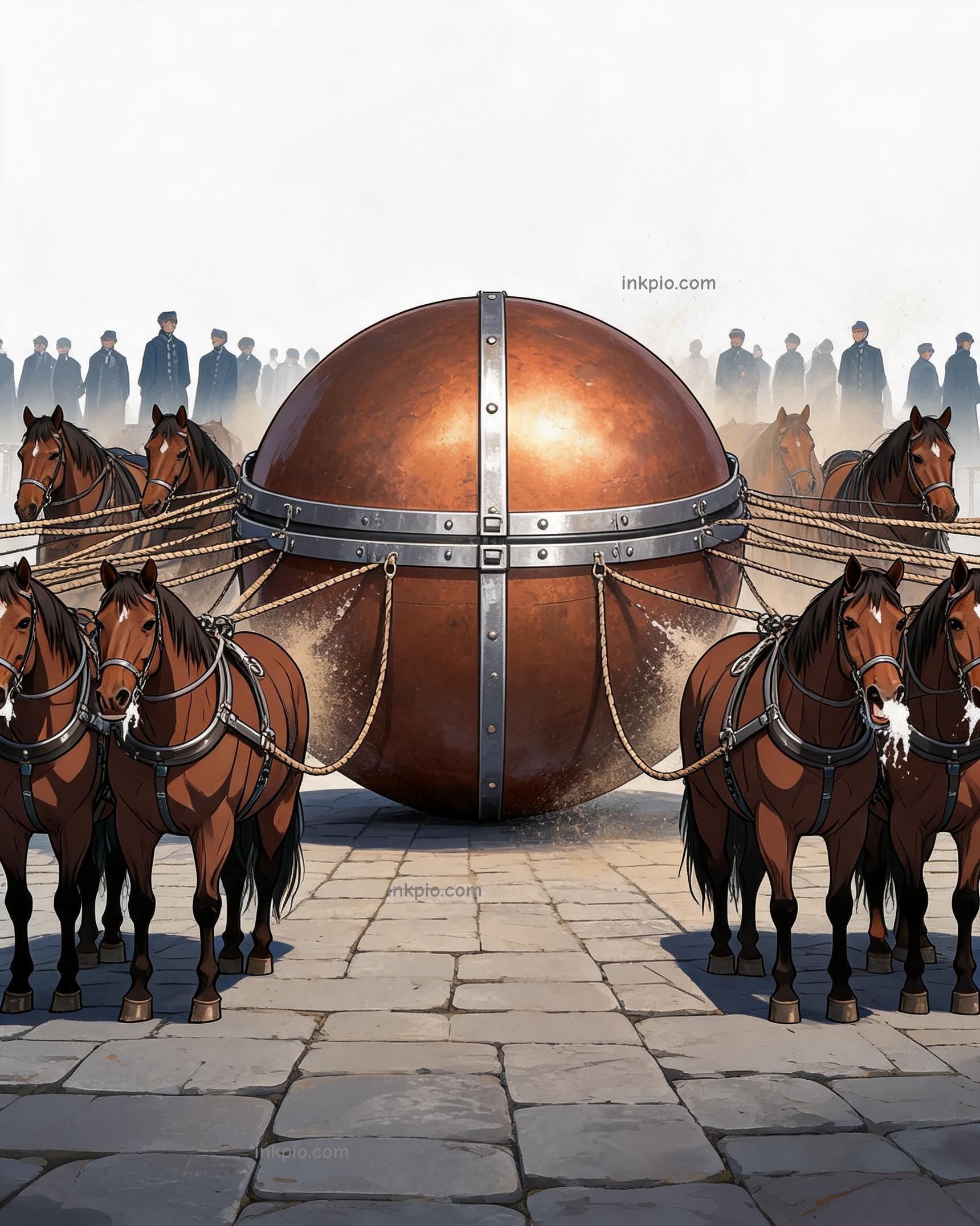
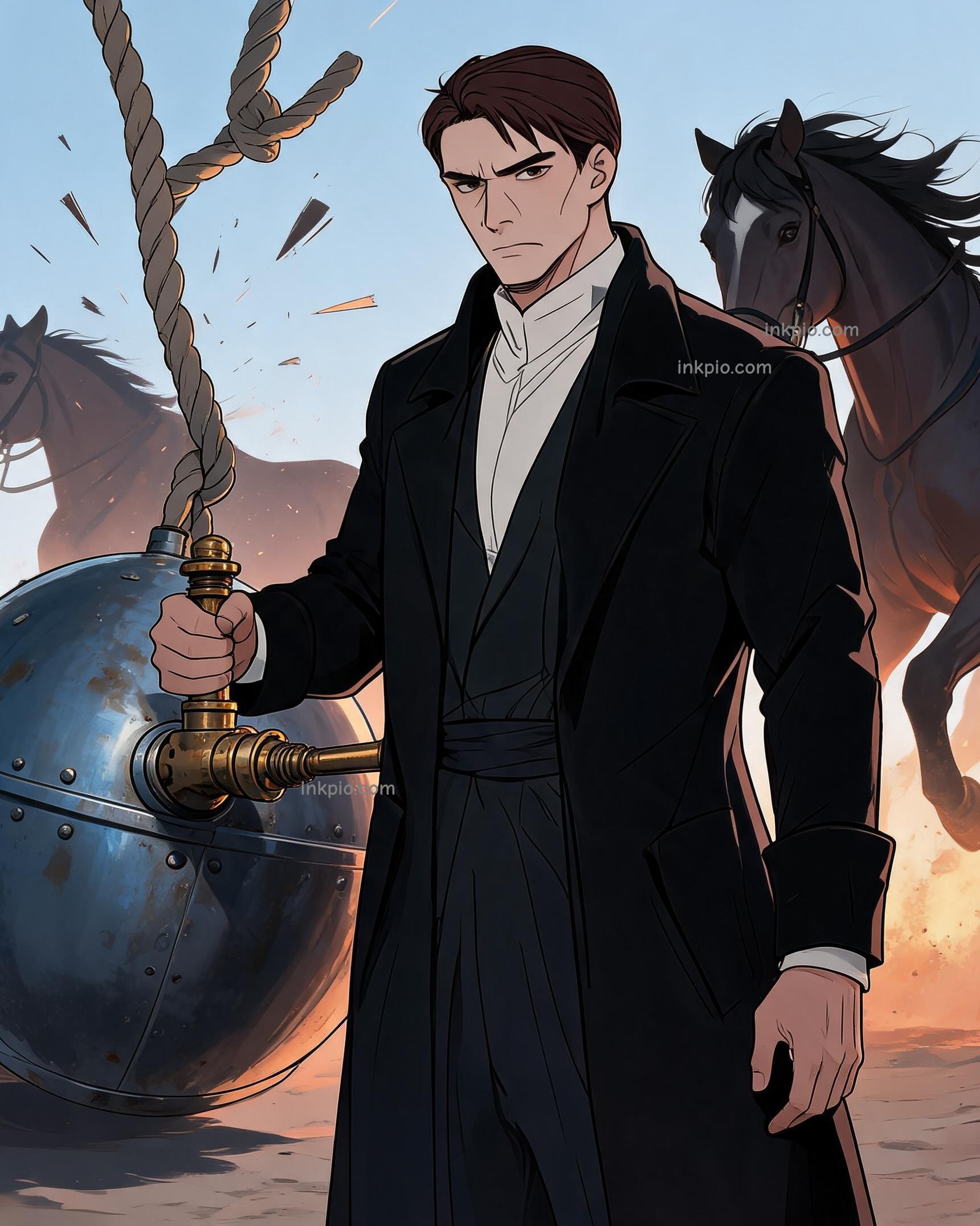

The hemp rope snapped with a sound like a pistol shot, whipping through the dust-choked air. Yet the copper sphere remained still, an immovable object defying sixteen straining horses. Otto von Guericke did not flinch. He watched the animals struggle, his hands stained with grease, feeling the weight of centuries pressing down on him just as heavily as the atmosphere pressed on his invention.
For generations, scholars had clung to Aristotle’s ghost. They insisted that nature abhorred a vacuum, believing empty space possessed a mystical suction that pulled objects together. To challenge this was to challenge the very order of the world. Guericke, a man who valued truth over comfort, knew he needed more than equations. He needed a spectacle that would force the invisible into the light. He chose Regensburg, 1654, under the skeptical gaze of Emperor Ferdinand III.
The two polished hemispheres sat on the cobblestones, gleaming coldly in the sun. Guericke pressed them together, sealing the seam with thick grease. He attached his hand pump and began to work. With every stroke, he removed the air from inside, creating a void. The crowd watched in silence. Was he mad? Could empty space really hold such power? When the valve locked, the sphere was no longer just metal. It was a trap for the sky itself.
Sixteen heavy draft horses were brought forward, eight on each side. The handlers gripped the lead ropes, their knuckles white. At the signal, the animals lunged. Hooves scraped against stone, sending sparks flying. The muscles in the horses' necks bulged, veins standing out like cords. The ropes groaned under the tension, stretching until they seemed ready to tear. Dust kicked up around the struggling teams, coating the emperor’s royal box in a fine, gray film.
Guericke stood apart, watching the failure of brute force. One rope finally gave way, snapping back with a violent crack. The horses stumbled, confused by the sudden lack of resistance, yet the copper ball had not moved a millimeter. The emperor leaned forward, his expression shifting from boredom to unease. The crowd held its breath. They were witnessing something impossible: strength meeting an enemy it could not touch.
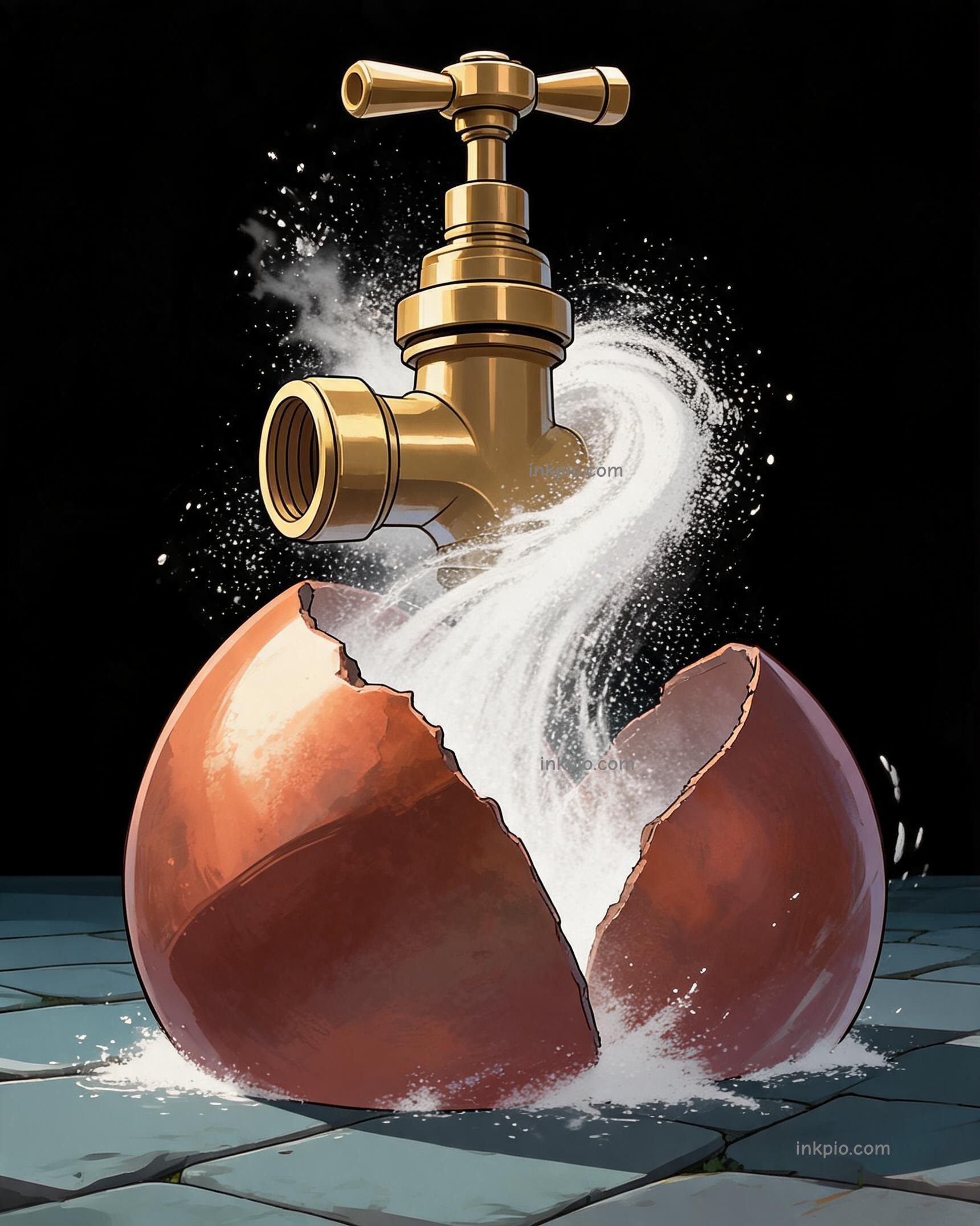
Guericke stepped forward. He did not shout for more horses. He did not boast. He simply reached for the small brass valve on the side of the sphere. His fingers turned it. A sharp hiss cut through the silence as air blasted into the seam. Instantly, the tension vanished. The two heavy halves separated and dropped onto the stones with a dull, final thud.
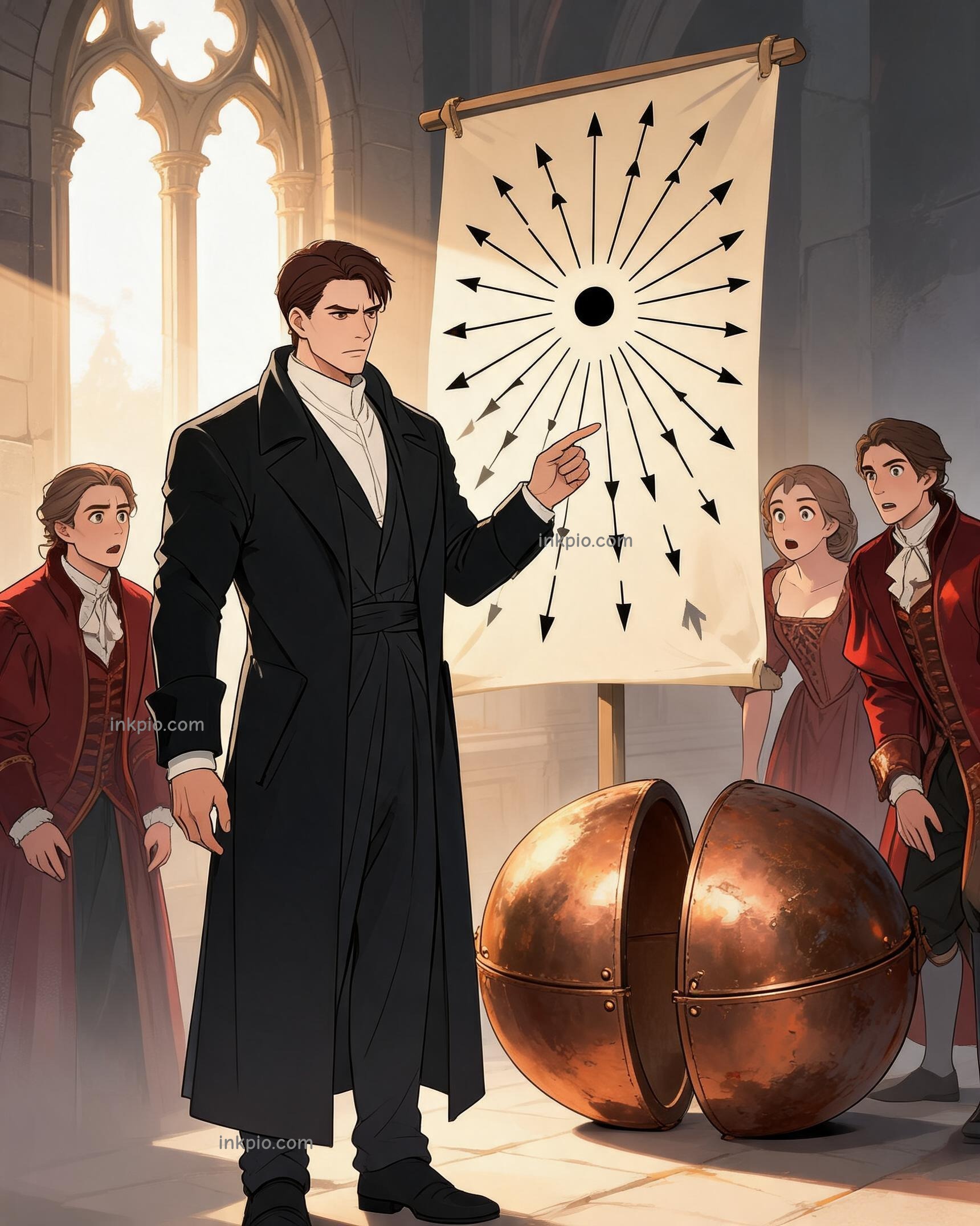
The lock had never been magical. It was the sheer weight of the atmosphere, pressing inward from all sides with ten tons of force. By removing the internal air, Guericke had removed the counter-push. The outside ocean of air had slammed the halves together. Opening the valve allowed the pressure to balance, freeing the metal. The invisible had become tangible.
As the handlers calmed the shaking horses, Guericke wiped the grease from his hands. He looked at the separated halves, then at the sky. He had proven that the air we breathe carries a measurable, crushing weight. The scholars’ mystical vacuum was dead. In its place stood a physical reality, heavy and undeniable. The emperor said nothing, but the silence in the square was louder than any applause. Guericke packed his pump. The world had changed, not with a bang, but with a hiss.